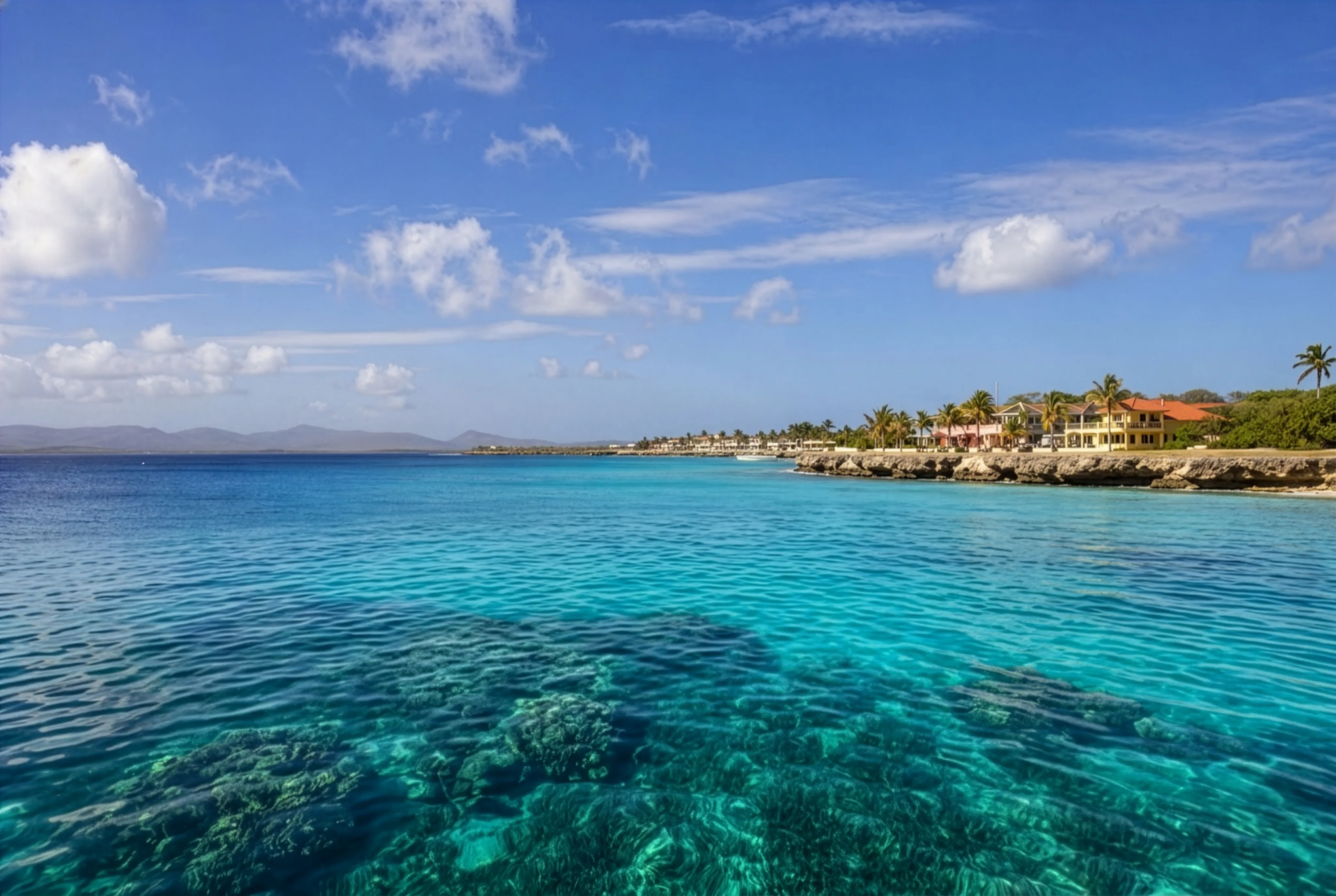
From the waterfront in Kralendijk, Bonaire’s capital, you can already see it: a flat, green strip in the sea, edged with a thin line of white sand. That’s Klein Bonaire, an uninhabited island of about six square kilometers (roughly 2.3 square miles), and for many guests, looking back, the highlight of their vacation. We’ve been heading over there almost every day since 2006; here’s what you’ll want to know before you go.
What makes Klein Bonaire special
Klein Bonaire is completely undeveloped and part of the Bonaire National Marine Park. No houses, no beach bars, no roads; just sand, shrubs, nesting seabirds and the reef all around it. Because the island is flat and the water around it is calm, the reef slopes off gradually and the visibility is almost always excellent.
The best-known spot is No Name Beach, the wide white beach on the northeast side, facing Kralendijk. Shallow, clear water, powdery sand, and on a weekday morning you’ll sometimes have it almost to yourself.
How to get there
Klein Bonaire has no harbor and no bridge; the only way there is over the water. You have three options:
- Rent a boat and go on your own. The crossing from Harbour Village Marina takes about ten minutes and is easy to do, even with no boating experience. Before you leave, we give you the map and point out the best place to tie up that day. See our rental boats, no license needed.
- Join a sailing tour. On the Sail, Snorkel & Dinner Tour you sail to the best snorkel spot of the day, often at Klein Bonaire, with an experienced crew that snorkels with you and a BBQ afterward. Prefer to go with just your own group? Then there’s the Private Charter.
- The water taxi. A water taxi runs from the Kralendijk waterfront to No Name Beach. Fine for a few hours on the beach, but you’ll be at the busiest spot and tied to set times.
Snorkeling at Klein Bonaire
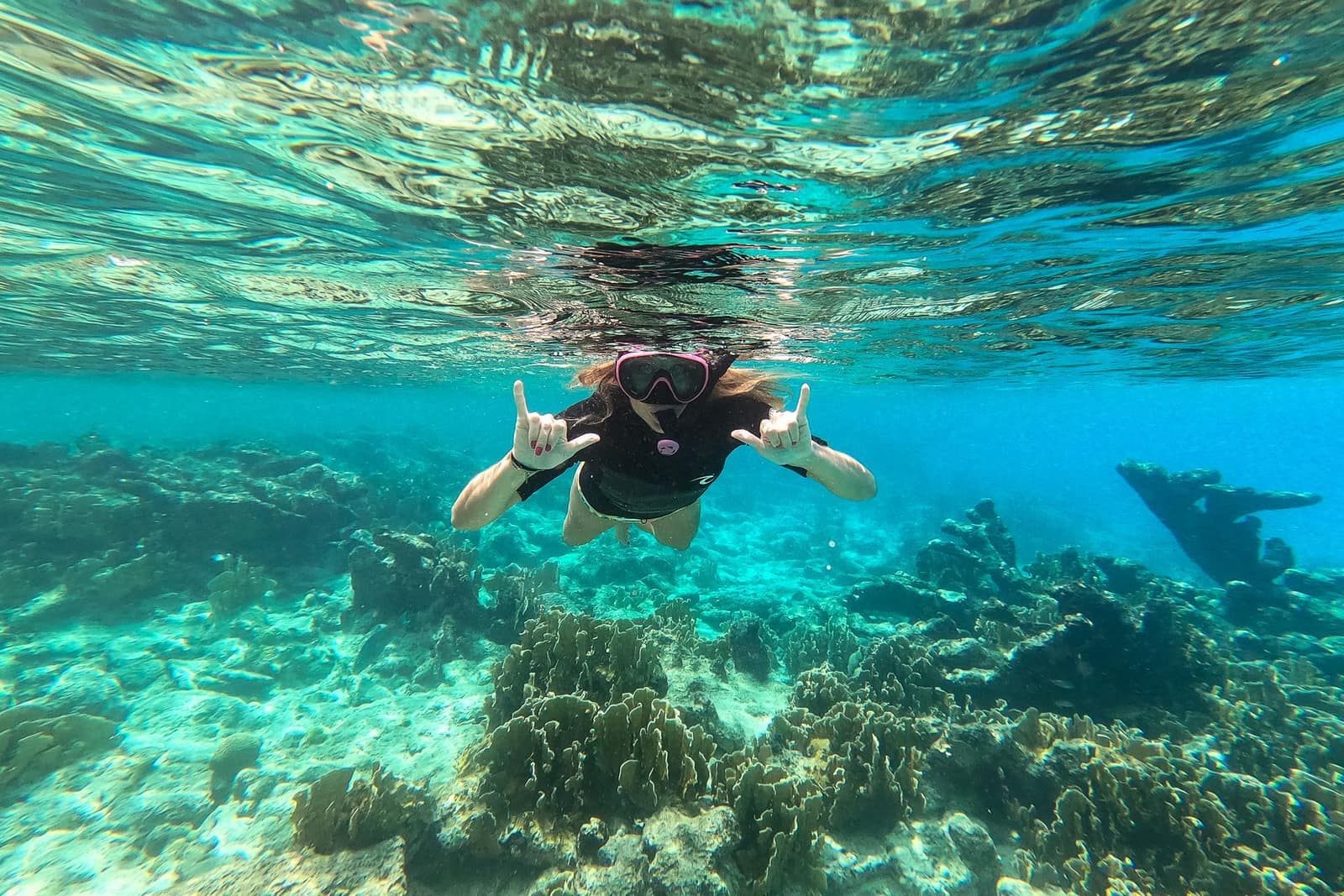
The reef around Klein Bonaire is among the best Bonaire has to offer. Just off the shore, a coral garden begins and slowly slopes down to deeper water: parrotfish, trumpetfish, moray eels, and very often a sea turtle calmly swimming its rounds.
A few tips from our crew:
- The west side, around No Name Beach, has the least current and is the best choice for beginners.
- Go in the morning; that’s when the water is calmest and the light on the reef is at its best.
- Swim along the edge where the shallows drop off into deeper water; that’s where you’ll see the most life.
- Bring your own shade: there is none on the island itself.
Want to know more about gear, turtles and snorkeling safely? Read our complete snorkeling guide.
The rules
Klein Bonaire is a protected nature area, and it only stays that way if everyone sticks to a few simple rules:
- To go in the water you need a Stinapa Nature Tag, the mandatory marine park fee, which is only sold online; children 11 and under are exempt. You’ll find everything about it on the Marine Park page.
- Anchoring on coral is prohibited. Always tie your boat to one of the public moorings; we’ll explain how that works before you head out.
- Touch nothing, take nothing and leave nothing behind. Not even shells.
- Stay out of the fenced-off seabird nesting areas.
When to go
Klein Bonaire is beautiful all year round; Bonaire lies outside the hurricane belt and the water is always around 27 °C (80 °F). It’s quietest on weekdays and in the morning. Around midday, the water taxi and the dive boats come together at the most popular spots, so if you’re on your own rental boat, simply pick a mooring a little farther along. That’s the biggest advantage of going on your own: you decide where you tie up and how long you stay.
In short
- Uninhabited island ten minutes by boat from Kralendijk, only reachable by boat
- Best beach: No Name Beach; best snorkeling: the west edge
- Nature Tag required, tie up at the moorings only
- Morning = calm water, few people, the best light
Want to make the crossing yourself? Rent a boat or join one of our tours, and we’ll take you to the most beautiful side of the island.